





DailyTimeCapsule brief
January 16, 1944
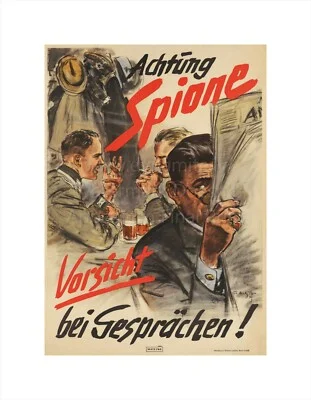
On January 16, 1944, Peru announced the discovery of a plot allegedly orchestrated by German and Japanese agents aimed at inciting a revolt within its borders. This serious accusation came during World War II, as nations were increasingly vigilant against espionage and infiltration from Axis powers. At this time, the global conflict was intensifying, with Allied forces planning major offensives in Europe and the Pacific, and countries like Peru were wary of the influence and activities of enemy nationals. Amidst this climate of suspicion and tension, the United States was also fortifying its own defenses and strategies in Latin America, seeing the region as critical to its wartime efforts. Additionally, local communities engaged in practical matters, as evidenced by the announcement of free lectures on gardening, which aimed to promote self-sufficiency during a time of rationing and food scarcity.
Key developments
-
On January 16, 1944, 14 definitive stamps were issued to replace the provisional overprints of France Libre. This event marked a significant update in postal history during World War II as it represented the transition to more permanent postal symbols. The new designs illustrated various aspects of French heritage, marking a shift towards normalcy in a time of conflict.
-
On January 16, 1944, Peru charged several individuals of German and Japanese descent with plotting a revolt to support Nazi Germany. Authorities moved against the suspected plotters following the revelation of their plans for a New Year's uprising. This event highlighted the tensions in Peru during World War II, particularly regarding its diverse population amidst global conflict.
-
On January 16, 1944, the NY Times Hall hosted free lectures focused on gardening and victory gardens. These courses were designed to educate the public on growing their own food during wartime. The initiative aimed to increase self-sufficiency as food shortages became a pressing concern.