






























DailyTimeCapsule brief
November 8, 1943
On November 8, 1943, tragedy struck as L. A. Keyes Jr., the son of a prominent Morgan official, was confirmed dead following a crash of a military bomber in Utah. This incident highlighted the increasing dangers faced by both military personnel and civilians during World War II. Concurrently, educational leaders were advocating for the expansion of the Institute for Religious Studies, aiming to address rising tensions and biases brought about by the war. This advocacy underscored the era's struggle for understanding and co-existence amidst the global conflict. Meanwhile, Jacob J. Bipner's name emerged in discussions, although details about him were not immediately available, he remained part of the narrative surrounding the day’s events as the war influenced countless lives across the nation.
Key developments
-
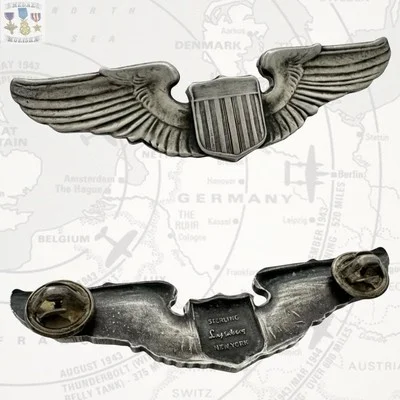
L. A. Keyes Jr., son of a Morgan official, was tragically killed in the crash of an army bomber in Utah. He was one of six individuals found deceased in the wreckage. This incident highlights the dangers faced by military personnel during World War II.
-
On November 8, 1943, a conference in New York City addressed the urgent need for education as a remedy for rising anti-Semitism. Participants proposed expanding the Institute for Religious Studies to foster understanding and tolerance among different faiths. The discussions highlighted the crucial role of educational initiatives in combating social biases during a tumultuous era in history.
-
Jacob J. Bipner was a notable figure in 1943, known for his contributions during a tumultuous time in history. His leadership and commitment to public service resonated with many, shaping community initiatives that lasted beyond his lifetime. Bipner's efforts exemplify the impact of individual actions on societal progress.