





















DailyTimeCapsule brief
September 11, 1943
On September 11, 1943, significant discussions around labor reforms were prominent as mine operators began considering the implications of an 8 1/2-hour workday in the context of ongoing World War II efforts. The operators were contemplating a wage increase, weighing a proposal of $1.75 by labor leader Lewis against the current $1 offer. This dialogue highlighted the tension between labor demands and wartime production needs, reflecting a critical moment in the labor movement amid national priorities. Concurrently, cultural shifts were evident in fashion as American designers adapted French styles to appeal to domestic audiences, exemplified by Mme. Lyne's showcase at Chez Ninon featuring a new slim skirt line that captivated attendees. The day also marked the continued involvement of key figures such as George H. Bliven, whose contributions were part of the broader wartime narrative.
Key developments
-
On September 11, 1943, discussions escalated around the issue of travel time for mine workers during negotiations for an 8 1/2-hour workday. Operators proposed compensation of $1, while labor leader Lewis argued for a higher rate of $1.75, highlighting the economic pressures faced by miners during wartime. This debate reflects the broader labor struggles of the era, as workers sought fair treatment in the workforce.
-
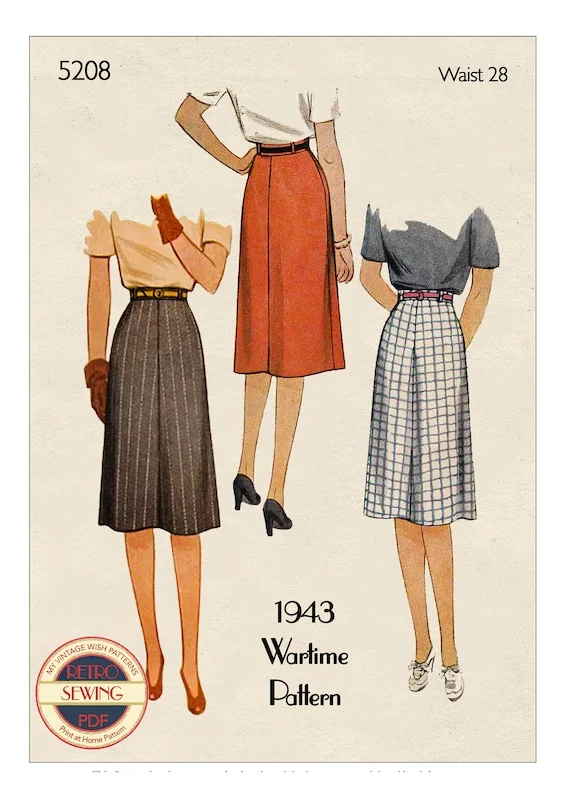
On September 11, 1943, Mme. Lyne showcased a unique line of slim skirts at Chez Ninon, blending French elegance with American sensibilities. The highlight was the innovative 'Envelope' wrap-around design, complemented by a soft, abbreviated bolero. This fashion show captivated audiences and marked a significant moment in transatlantic style influence during World War II.
-
GEORGE H. BLIVEN