































DailyTimeCapsule brief
September 3, 1943
On September 3, 1943, the Memphis Press-Scimitar and other newspapers in Memphis announced a freeze on sales, reflecting the broader economic strains of World War II on American media outlets. In Europe, Allied forces intensified their air assaults, particularly on German fortifications in France. The day also saw significant military coordination as U.S. General Henry H. Arnold arrived in Britain for crucial meetings with Allied air chiefs, further strengthening the collaborative efforts against Axis powers. These military strategies came amidst ongoing battles and civilian hardships, shaping the future course of the war in Europe.
Key developments
-
On September 3, 1943, newspapers in Memphis, Tennessee, announced a freeze on circulation sales in response to wartime restrictions. This decision aimed to comply with government curbs affecting paper supply and distribution during World War II. The action reflected the broader challenges faced by media outlets during the war period.
-
On September 3, 1943, Allied forces launched a major air offensive targeting German airfields and infrastructure in northern France and the Netherlands. British bombers conducted substantial bombing raids on Mardyck and Denain, and the surrounding region, as part of a coordinated effort to weaken German defenses. The attacks followed a previous RAF strike on the Hansweert Canal, demonstrating ongoing Allied efforts to disrupt German operations and supply lines.
-
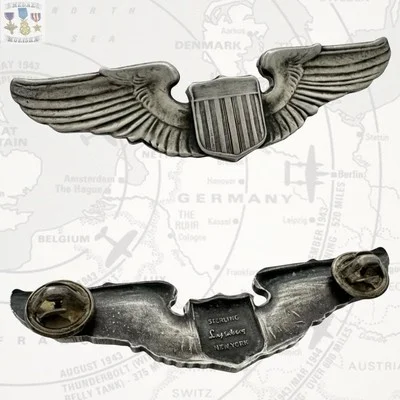
On September 3, 1943, General Henry H. Arnold arrived in Great Britain to meet with British and American air force officers. This crucial conference aimed to enhance coordination and strategy between the Allied air forces during World War II. Arnold's leadership had a significant impact on the development of air operations in the European theater.