




























DailyTimeCapsule brief
August 25, 1943
On August 25, 1943, significant developments unfolded in the United States as the war effort continued to shape daily life. Amid World War II, Henry Ford made headlines with his declaration about the importance of individual contributions to the war effort, stating, 'Can Lick Pearson,' reflecting his focus on self-reliance and the need for all Americans to engage in the war process. Meanwhile, the banking sector noted the passing of Edwin J. Davis, a notable figure in Vermont's financial landscape, indicating shifts within local economies as the nation grappled with wartime challenges. In consumer news, the phenomenon of 'scare buying' was reported to decline, as manufacturers anticipated increased apparel supplies by the following spring, signaling a return to normalcy in some sectors. However, concerns remained about potential stringencies in the textile industry, even as millinery production experienced a notable increase and neckties became more readily available, hinting at changing consumer tastes during wartime restrictions.
Key developments
-
On August 25, 1943, Henry Ford issued a challenge related to a health statement in a broadcast, asking for verification. The event garnered attention as it involved public scrutiny of Ford's claims regarding health and vitality during a time of global conflict. This challenge highlighted the intersection of health, industry, and public perception in the 1940s.
-
On August 25, 1943, Edwin J. Davis, a prominent banker from Vermont, played a significant role in the economic landscape of his region. Davis was known for his leadership in financial institutions and promoting community development. His contributions helped to stabilize Vermont's economy during challenging times.
-
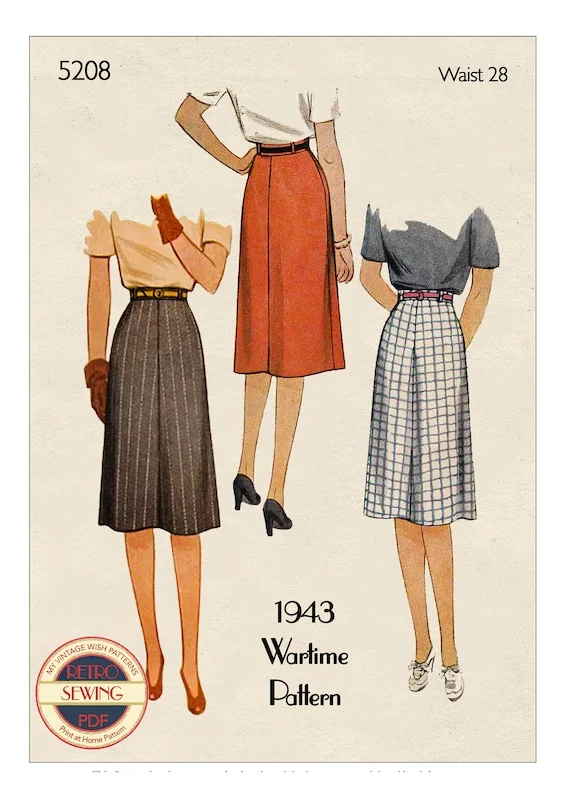
On August 25, 1943, an article highlighted the conclusion of 'scare buying' behaviors among consumers regarding apparel during World War II. Manufacturers predicted larger supplies of clothing for the upcoming spring, while acknowledging that some shortages may persist. Notably, the production of millinery and neckties was on the rise, indicating an adjustment in the supply chain.