












DailyTimeCapsule brief
June 29, 1943
On June 29, 1943, significant developments in U.S. domestic policy emerged as the National War Labor Board (NWLB) moved to fix the prices of undergarments, replacing the General Maximum Price Regulation (GMPR). This decision came amid World War II, where the government was balancing wartime production demands with inflation concerns. Additionally, the Navy faced discontent among its officers due to a new uniform shift that threatened increased costs, leading to frustration in Washington. At the same time, the announcement of a gasoline increase for some workers indicated a restoration of mileage allowances previously curtailed through the rationing system, a contentious issue during wartime that affected many Americans' daily lives.
Key developments
-
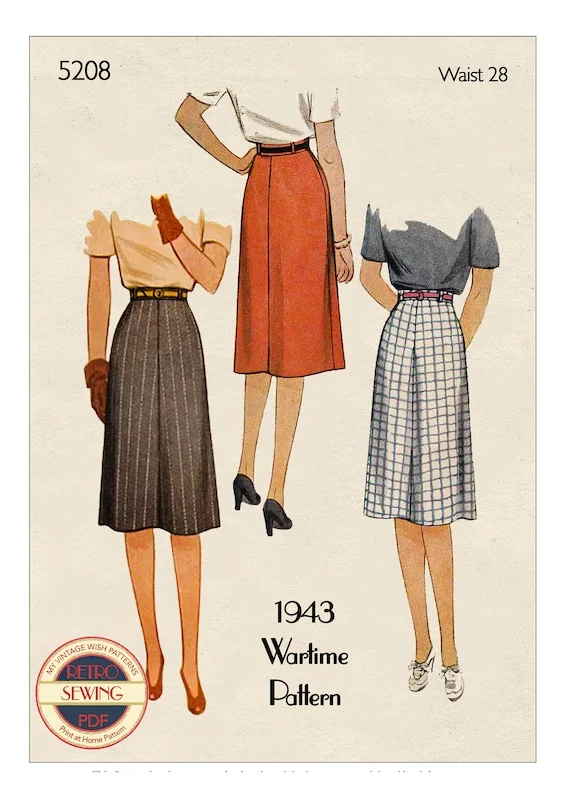
On June 29, 1943, the National Women's Undergarment Manufacturers Association finalized new maximum price regulations. These regulations were put in place to replace the General Maximum Price Regulation (GMPR) for undergarments. This decision aimed to ensure fair pricing during a time of economic strain due to World War II.
-
On June 29, 1943, naval officers expressed their discontent over a revised uniform policy. The changes not only altered their appearance but also raised concerns about the financial burden of mandatory substitutions. This situation caused significant unrest within military ranks and among officials in Washington.
-
GASOLINE INCREASE FOR SOME WORKERS; Mileage Lost Through Recent Cuts in B and C Coupons Will Be Restored