









DailyTimeCapsule brief
June 2, 1943
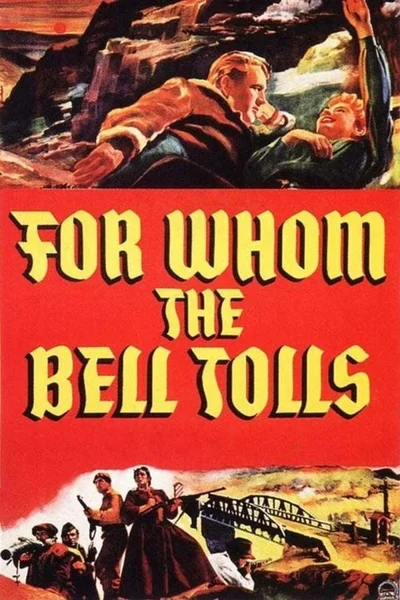
On June 2, 1943, a jury confirmed its verdict in a notable case where the charge of drinking against an individual was declared untrue, leading to an exoneration. This decision came at a time when the United States was deeply embroiled in World War II, with daily life being heavily influenced by the war efforts, including rationing and military enlistments. Meanwhile, the cultural landscape was also shifting, as the upcoming film adaptation of Ernest Hemingway's 'For Whom the Bell Tolls' was set to premiere at the Rivoli Theatre on July 14, promising to attract significant attention with a ticket price of $2.20. In the realm of finances, Kaplan faced a setback as his tax plea regarding a bad-debt claim was rejected, requiring him to pay $458. Such legal and financial challenges reflect the broader struggles American citizens were facing during a time of national mobilization and economic pressure due to the war.
Key developments
-
On June 2, 1943, a court upheld the convictions of Bronson, Phillips, Ward, and their associated corporations, the Coronado Development Corp and Wetherbee Process Corp. The jury exonerated the defendants, indicating that the prior charge of drinking by one individual was found to be untrue. This case highlighted significant legal and social issues during the time period.
-
On June 2, 1943, it was announced that the world premiere of the film adaptation of Ernest Hemingway's 'For Whom the Bell Tolls' would take place on July 14. The film, starring Gary Cooper and Ingrid Bergman, would be shown at the Rivoli Theatre. Tickets for the premiere were set at a top price of $2.20.
-
On June 2, 1943, J P Monroe, represented by M Kaplan, lost his plea for a hearing regarding the disallowance of a bad debt claim from his 1938 tax return. As a result, Kaplan must pay $458 related to this bad-debt claim. The decision underscores the strict scrutiny of tax filings during this period.