




























DailyTimeCapsule brief
August 28, 1942
On August 28, 1942, significant tensions arose in the labor sector as the Truck Union rejected an appeal to the War Labor Board (WLB) regarding a proposed settlement by employers. Spokesman H.E. Sheridan indicated that efforts would be made to avert a strike, demonstrating the fragile balance of labor relations during wartime. Concurrently, a bond drive was launched by labor and industry leaders, including notable figures such as Green and Young, who urged a voluntary payroll deduction plan, warning that failure to meet financial goals could lead to compulsion. In the political arena, key legal minds, including Biddle, Fahy, and Byrnes, discussed the executive branch's power to combat inflation without resorting to new legislation, reflecting the government's ongoing struggle to maintain economic stability while ensuring individual rights. This day exemplified the complicated interplay of labor, industry, and government in the context of World War II and its unique challenges.
Key developments
-
On August 28, 1942, a truck union rejected a proposal from employers to involve the National War Labor Board (NWLB) and the Office of Price Administration (OPA) amid concerns over a potential strike. This decision came as contract negotiations were nearing their end, with an expiration date set for the following Monday. Union representatives committed to making every effort to avert a strike during wartime conditions.
-
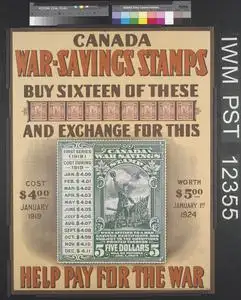
On August 28, 1942, a significant rally was held to launch a bond drive supported by labor and industry leaders, including W. Green and O.D. Young. Approximately 1,500 attendees voted in favor of a 10 percent payroll deduction plan to encourage war savings. The leaders urged voluntary purchasing, warning that compulsion might ensue if the target was not met.
-
On August 28, 1942, prominent lawyers, including Biddle, Fahy, and Byrnes, met with Justice Rosenman and Secretary Wickard at the White House. They convened to explore the limits of executive power in addressing inflation without new legislation. The discussions aimed to provide legal guidance on the President's options to manage economic challenges during World War II.