








































DailyTimeCapsule brief
December 13, 1941
On December 13, 1941, F.P. Keppel was honored by the American Institute of Architects with a medal recognizing his significant contributions to the arts, particularly as the former head of the Carnegie Fund. This event unfolded against the backdrop of World War II, which had intensified since the attack on Pearl Harbor just days earlier on December 7, 1941, prompting the United States to formally enter the conflict. As the nation rallied in support of the war effort, public figures were being recognized for their contributions to society, illustrating a collective commitment to cultural and artistic advancements during challenging times. Meanwhile, the nation was dealing with the aftermath of a troubling murder case involving Miss Miley, which had captured public attention, further indicating the complexities of social issues amidst wartime pressures.
Key developments
-
On December 13, 1941, F.P. Keppel was honored with the prestigious medal from the American Group of Societe des Architectes Diplomes par le Gouvernement Francais. This award recognized his significant contributions to the arts, particularly through his leadership at the Carnegie Fund. Keppel’s efforts aided in promoting architectural talent and ensuring the continuation of artistic endeavors during challenging times.
-
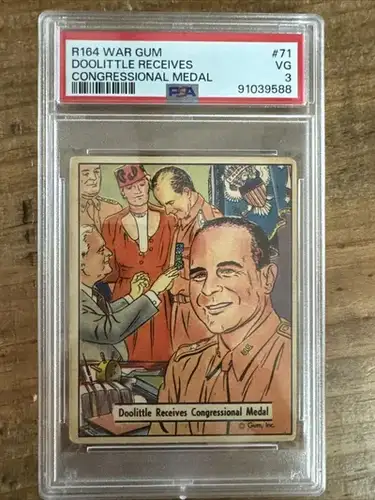
On December 13, 1941, Miss Mary A. Doolittle became a notable figure in her community due to her efforts and contributions during a turbulent time. Her dedication to service and impact on local organizations highlighted her commitment to social improvement. This event showcases her commitment during World War II, emphasizing the pivotal role individuals played in supporting their communities.
-
On December 13, 1941, Anderson was found guilty of the murder of Miss Miley, a case that shocked the local community. The trial garnered significant media attention due to its sensational nature. The conviction marked a notable moment in the legal history of the era.