

















DailyTimeCapsule brief
September 25, 1941
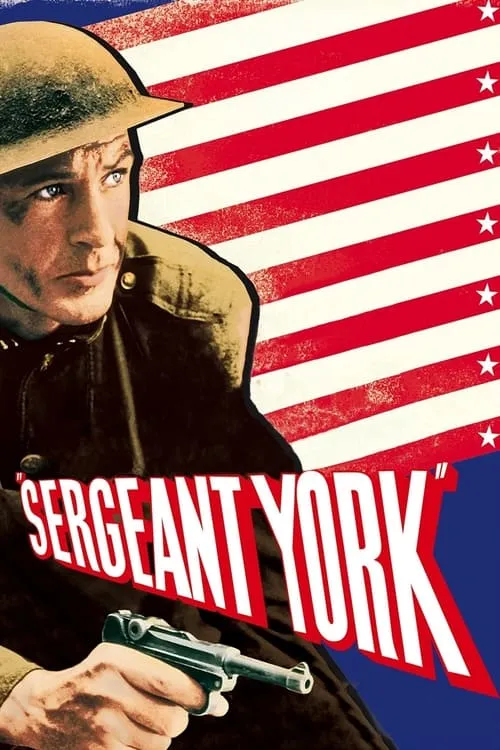
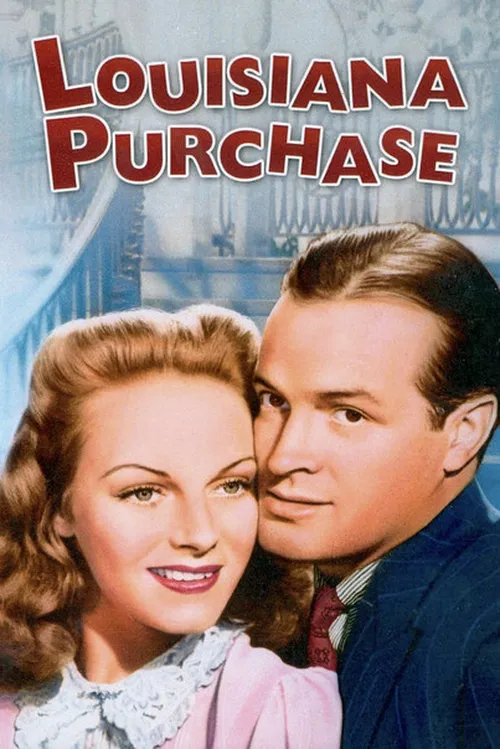
On September 25, 1941, the world was embroiled in the tensions of World War II, with critical events unfolding. A British ship was rescued, saving 14 lives, highlighting the ongoing peril faced by seafarers during the conflict. In New York, Mayor Fiorello La Guardia took significant steps towards civil defense by advocating for a civil air-raid bill, which aimed to equip vulnerable localities with essential firefighting and first-aid supplies, including gas masks, to prepare for potential attacks. Meanwhile, labor unrest continued as John L. Lewis advised striking workers to remain steadfast during negotiations. On the cultural front, the art scene was vibrant, with the Lermontov exhibit opening, showcasing the work of the renowned Russian artist. Additionally, Japanese companies merged to strengthen their economic position amidst rising international tensions. In entertainment, the film industry thrived with releases such as 'Sergeant York' and 'Honky Tonk,' while the music scene celebrated the popularity of 'Chattanooga Choo Choo' and 'Louisiana Purchase,' reflecting the era's cultural dynamism.
Key developments
-
On September 25, 1941, 14 survivors were brought ashore after a British ship sank. These individuals faced peril at sea before being rescued. Their dramatic return highlighted the dangers of maritime warfare during World War II.
-
On September 25, 1941, New York City Mayor Fiorello LaGuardia urged Congress to pass a bill providing federal aid against possible air attacks. The proposed legislation aimed to offer equipment loans and support to vulnerable localities, highlighting the need for fire facilities and essential supplies like first-aid kits and gas masks. LaGuardia's call for action reflected the heightened fears of air raids during World War II.
-
Lewis Advises Strikers