

















DailyTimeCapsule brief
May 23, 1941
On May 23, 1941, the U.S. Army made a significant step in its military preparedness by awarding contracts worth $322,490,000 to two companies for bomber production. This decision came during World War II, as the United States was gearing up to support the Allies against Axis powers. The contracts represented a critical boost to the defense industry and reflected the growing urgency for military expansion. Meanwhile, in a display of goodwill and support, President Franklin D. Roosevelt and First Lady Eleanor Roosevelt hosted a lawn party at the White House, greeting hospitalized veterans, demonstrating the administration's commitment to veterans' welfare during a time of national strife. On the cultural front, a bronze figure was sold for $2,000, marking a moment in the art market amidst the economic challenges of the era.
Key developments
-
On May 23, 1941, the U.S. Army assigned contracts worth $322.49 million to two companies for the production of bombers. This significant contract aimed to bolster the military's capabilities ahead of World War II. One of the contracts was particularly notable as it was designated for production at a U.S.-owned plant in Tulsa, Oklahoma.
Wikimedia Current Events -
On May 23, 1941, a significant art transaction took place when a bronze figure was sold for $2,000. This sale highlighted the growing market for fine art during that era. The transaction reflected the increasing interest in bronze sculptures among collectors and investors.
Wikimedia Current Events -
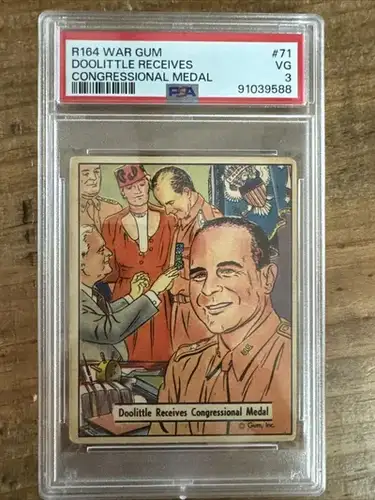
On May 23, 1941, President Franklin D. Roosevelt and First Lady Eleanor Roosevelt hosted a special lawn party at the White House for disabled World War I veterans. This event aimed to celebrate and lift the spirits of those who had served their country. The gathering symbolized the nation's gratitude and support for these brave individuals.
Wikimedia Current Events