










DailyTimeCapsule brief
April 21, 1939
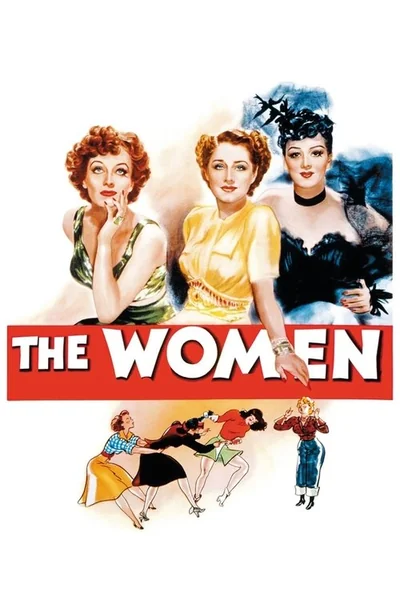
On April 21, 1939, a significant development occurred in the realm of American broadcasting as a liquor radio ban was approved, marking a notable moment in the ongoing tension between government regulation and personal freedoms. This decision surfaced in the backdrop of the looming threat of global conflict, particularly as World War II began to unfold in Europe. As tensions escalated overseas, American politicians were increasingly focused on national policies, with critics like James Catledge raising concerns over the implications of war policy and the challenge it posed to presidential powers. Meanwhile, in the cultural sphere, Clare Boothe's play 'The Women' faced disapproval from critics in England, highlighting transatlantic cultural differences in the context of a rapidly changing world. This day reflected the complex interplay of governance, culture, and international relations as the world braced for further upheaval.
Key developments
-
On April 21, 1939, the Senate committee approved a bill allowing liquor advertisements to be broadcasted on the radio. This marked a significant change in the regulation of alcohol promotion during a time when Prohibition had only recently ended. The decision aimed to regulate and control liquor advertising while addressing public health concerns.
-
WAR POLICY CALLED ISSUE; Catledge Sees Challenge of President's Powers
-
CRITICS IN ENGLAND DISLIKE 'THE WOMEN'; Clare Boothe's New York Hit Disapproved in London