













DailyTimeCapsule brief
February 19, 1939
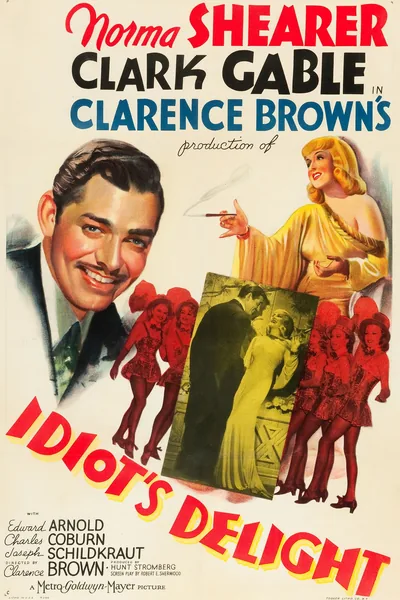
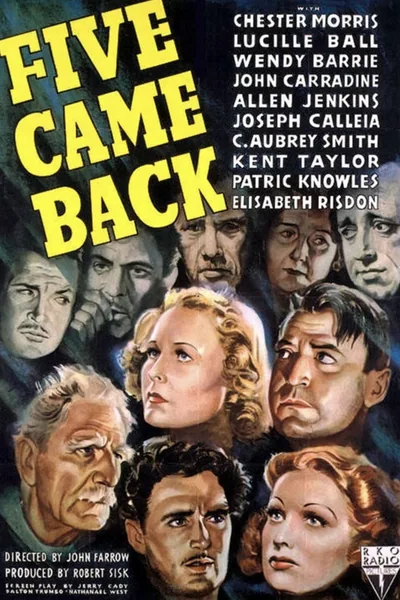
On February 19, 1939, the Bank of Canada reported a profit of $1,665,300 for the year 1938, alongside an increase in gold holdings, signaling a moment of fiscal stability during the Great Depression. The economic landscape was marked by efforts to recover from the financial turmoil of the 1930s, as countries sought to strengthen their economies through various monetary policies. Globally, tensions were rising in Europe as the threat of World War II loomed, with nations preparing for potential conflicts stemming from aggressive expansionist policies, particularly from Nazi Germany. In cultural news, the film industry continued to thrive, while Broadway legends like Mr. Pulaski entertained audiences with their performances, showcasing the resilience of the arts during challenging times.
Key developments
-
On February 19, 1939, a film event in Honolulu featured commentary on the hula dancing of E. Powell. This discussion highlighted the cultural significance and artistic expression found in hula dance. Attendees gained insights into how hula reflects Hawaiian traditions and storytelling through movement.
-
On February 19, 1939, the Bank of Canada announced a profit of $1,665,300 for the fiscal year 1938, signaling a positive financial performance during a tumultuous economic period. The report also highlighted an increase in gold holdings, which was vital for maintaining financial stability and supporting the currency. This financial success contributed to the Bank's role in Canada's recovery from the Great Depression.
-
On February 19, 1939, Broadway celebrated the unique talents of Mr. Pulaski, affectionately known as IBEE THE MUGG. His performances captivated audiences with a delightful mix of humor and charm, solidifying his status as a Broadway legend. The event highlighted his diverse career and enduring influence in the theater community.