






DailyTimeCapsule brief
March 30, 1937
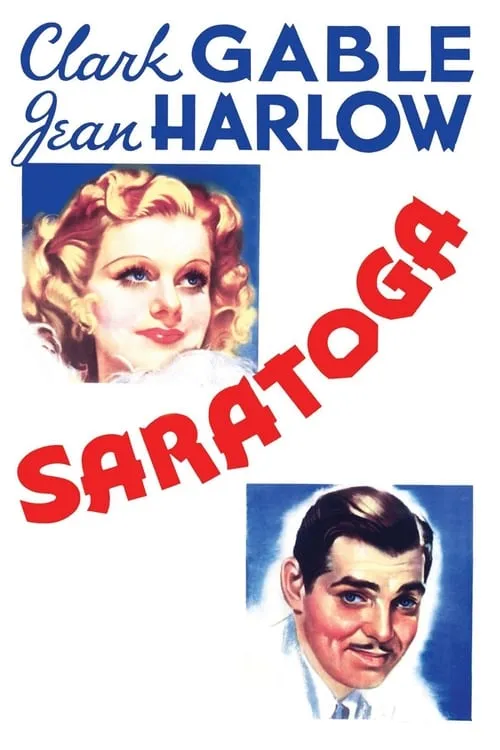
On March 30, 1937, the political landscape in New York was tumultuous as fifteen picketers protesting the Emergency Relief Bureau (ERB) inquiry were violently dispersed outside a local political club. This confrontation highlighted the growing tensions between labor groups and government authorities. Meanwhile, President Franklin D. Roosevelt was faced with the challenge of naming a representative spokesperson for a significant upcoming world labor meeting, emphasizing his desire to avoid the divisive factionalism between the American Federation of Labor (A.F.L.) and the Congress of Industrial Organizations (C.I.O.). In Connecticut, the New Haven Railroad's president announced that significant efforts were in place to navigate the company's bankruptcy issues, aiming for resolution by June 1. In a lighter vein, the date also marked the end of a school strike that had been ignited by a controversial incident, signaling a return to normalcy for students and educators alike. As cultural moments unfolded, audiences were captivated by the vibrant sounds of 'Sing, Sing, Sing,' while movies like 'Saratoga,' 'Maytime,' and 'The Good Earth' entertained the masses, reflecting the dynamic nature of American arts during this period.
Key developments
-
On March 30, 1937, Nicholas J. Healy 3d and M. M. Ferry came together for a significant event that marked a pivotal moment in their respective fields. This meeting highlighted the collaboration between prominent figures of the time, influencing future developments. Their discussion transcended mere business, touching upon cultural and technological advancements of the era.
-
On March 30, 1937, a group of picketers protesting the Sullivan relief investigation were violently confronted outside a political club. The conflict resulted in 15 demonstrators being beaten as tensions escalated. This incident highlighted the contentious atmosphere surrounding relief programs during the Great Depression.
-
In March 1937, speculation arose regarding President Franklin D. Roosevelt's appointment of a spokesperson for the International Labor Organization (ILO) conference in Geneva. The President faced pressure to select a representative from the most prominent labor groups, namely the American Federation of Labor (AFL) and the Congress of Industrial Organizations (CIO). This decision would have significant implications for U.S. labor representation on the global stage.