




















DailyTimeCapsule brief
June 16, 1935
On June 16, 1935, the issue of leadership within the communications sector came to a head as the courts prepared to address a ban on directorships for heads of major communication companies. This legal challenge was rooted in concerns about monopolistic practices in an industry rapidly evolving with the advent of radio and cinema. The financial landscape was marked by the lingering effects of the Great Depression, which prompted scrutiny of corporate governance and regulatory measures. As the nation grappled with these challenges, artistic and entertainment fields evolved, with theatres, movies, and radio influencing each other in unprecedented ways, reflecting a culture in transition amidst the economic difficulties.
Key developments
-
On June 16, 1935, a significant legal issue arose regarding the denial of directorship powers to heads of major communication companies. This development sparked discussions around regulatory power and corporate governance in the media sector. A court test was anticipated to address the implications for industry leaders and their operational authority.
-
On June 16, 1935, official road maps were issued, marking a significant development in American transportation infrastructure. These maps aimed to aid motorists during a time when automobile travel was becoming increasingly popular. The initiative helped to standardize routes and promote highway safety across the nation.
-
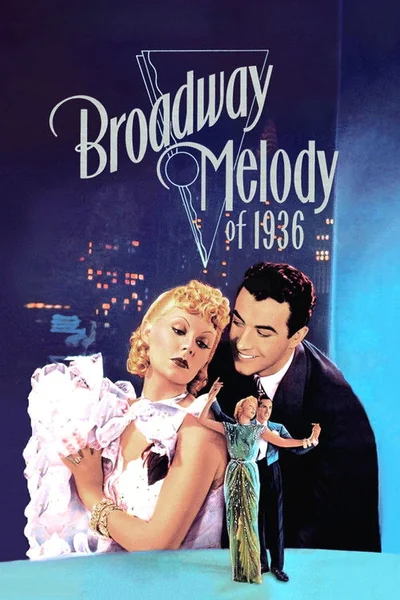
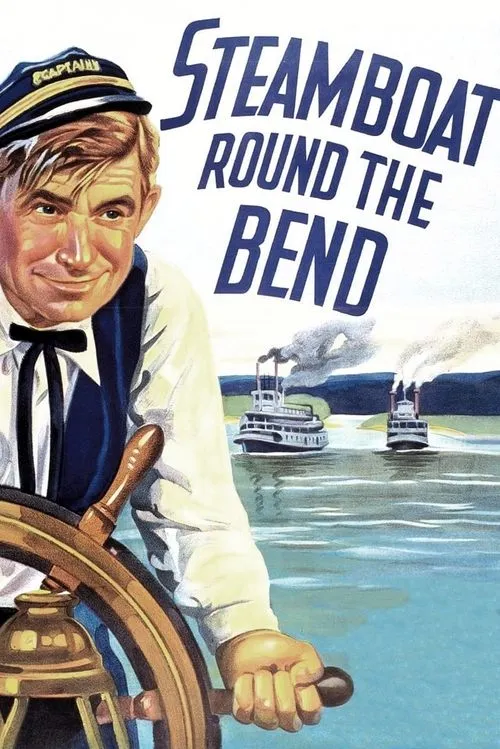
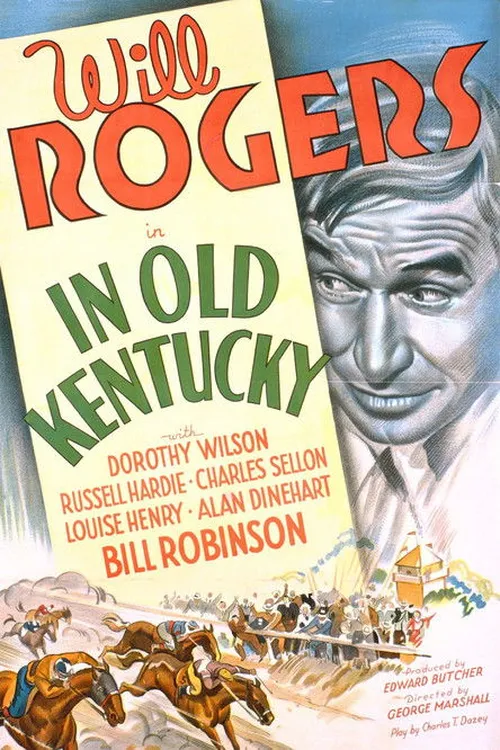
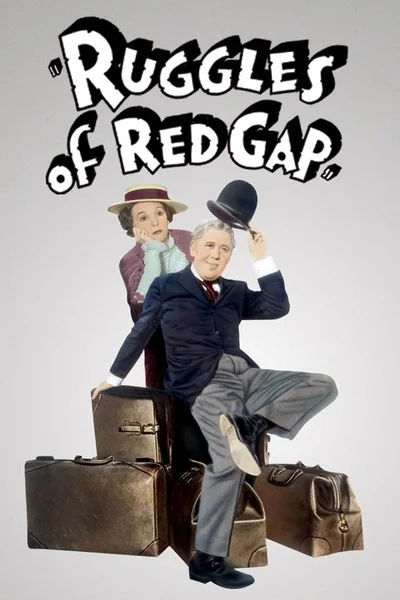
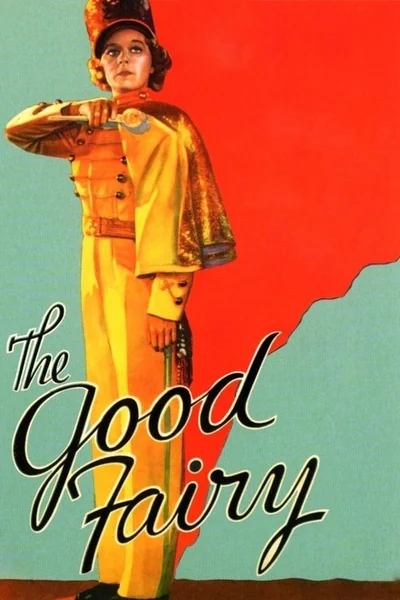
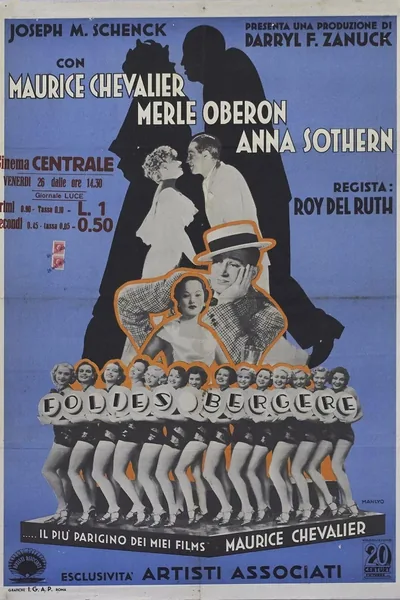
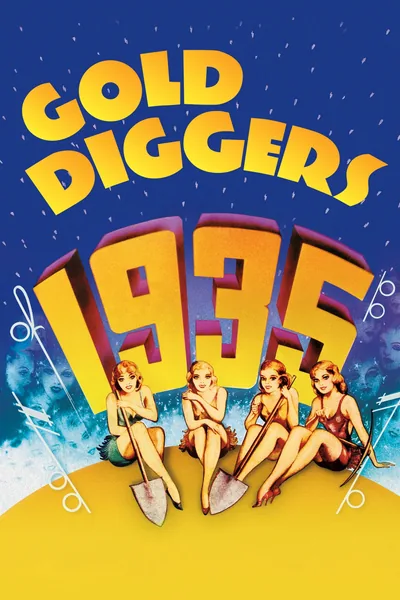
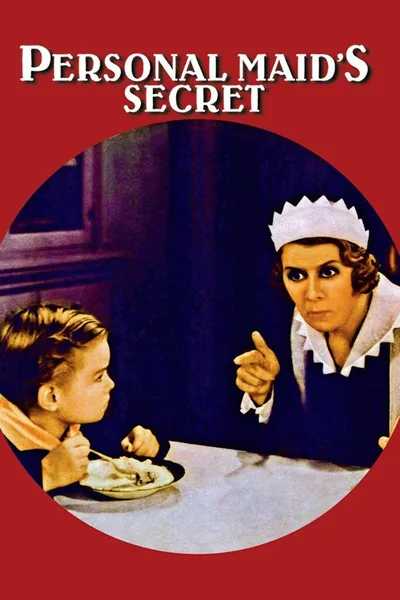
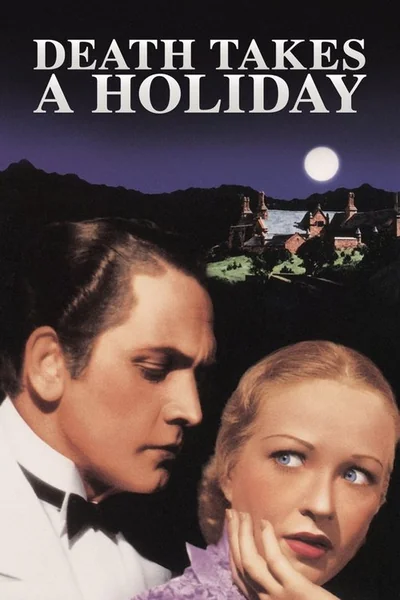
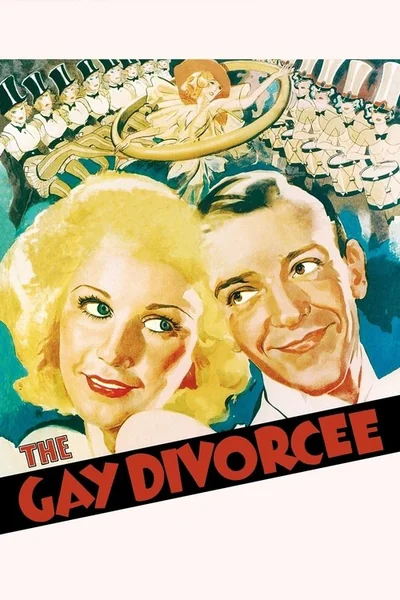
On June 16, 1935, a feature article highlighted the dynamic changes in the entertainment industry as theatres, movies, and radio began to influence one another. The intertwining of talents and theories across these mediums marked a significant evolution in how stories were told and experienced. This revolution set the stage for a new era of multimedia storytelling that would shape popular culture.


