





























DailyTimeCapsule brief
November 3, 1933
On November 3, 1933, state officials in the United States began a comprehensive initiative to combat the devastating Elm Disease, which was threatening the country's urban and rural landscapes alike. This disease, caused by the fungus Ophiostoma ulmi, had been decimating populations of elm trees, leading to concerns about its impact on the environment and community aesthetics. As a result, state departments worked collaboratively to map strategies for effective control and prevention. Meanwhile, in Spain, a prison riot erupted near Barcelona, where detained foreigners attempted to escape by setting fire to the jail, highlighting the growing unrest in the country amid political turmoil. Additionally, reports surfaced of safecrackers who had recently escaped from jail and subsequently targeted a prosecutor, raising concerns about crime and law enforcement challenges. This blend of environmental, criminal, and civil unrest set a complex backdrop for the day, reflecting the societal tensions prevalent during this period of the Great Depression.
Key developments
-
On November 3, 1933, the New York State Department of Agriculture announced a strategic plan to combat the devastating Dutch elm disease. This initiative aimed to protect the state's elm trees, which were crucial to urban landscapes and ecosystems. Officials created a comprehensive map outlining affected areas and prevention measures.
-
On November 3, 1933, a group of foreigners detained as vagrants in a jail near Mataro, Spain, attempted a violent escape by setting fire to the facility. The incident was significant enough to warrant censorship, with details of the riot suppressed in the press. This event highlights the tensions surrounding immigration and social unrest in Spain during this period.
-
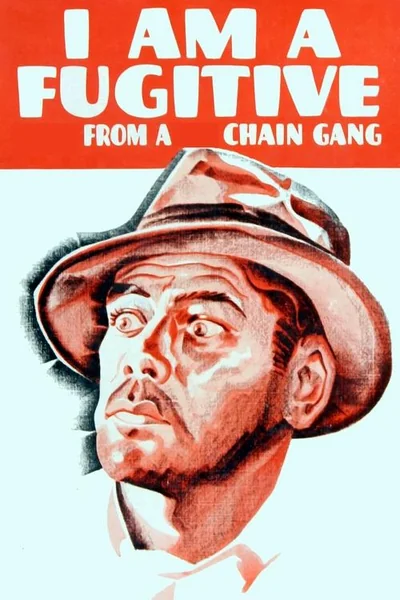
Safecrackers From Jail Free Locked Prosecutor