


























DailyTimeCapsule brief
October 12, 1933
On October 12, 1933, significant diplomatic progress was made with the anticipated Textile Agreement among Britain, India, and Japan, aimed at regulating trade in textiles. This agreement emerged amid global economic challenges, particularly the Great Depression, which had heightened tensions and competition in international trade. In Germany, a protest by jobless seamen turned violent when a brick was hurled through a window of a shipping company associated with German lines, highlighting the social unrest caused by unemployment. The scene reflects the broader economic distress affecting many nations, prompting discussions about government intervention and economic policy reform in the wake of the economic downturn.
Key developments
-
On October 12, 1933, discussions took place at Simla regarding a textile agreement involving Britain, India, and Japan. Indian representatives expressed concerns over the Japanese practice of dumping woolen goods and currency manipulation, which threatened local industries. The anticipated agreement aimed to address these issues and ensure fair trade practices.
-
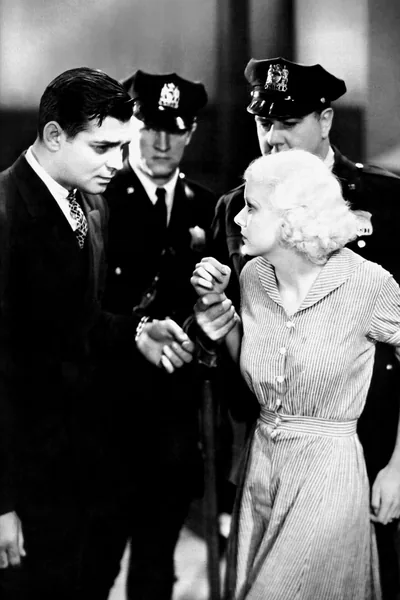
On October 12, 1933, 250 unemployed seamen rallied outside the German Line office in New York City to express their frustration over joblessness. During the demonstration, a brick was thrown through a window, leading to the arrest of three individuals. The protest highlighted the dire economic conditions faced by maritime workers during the Great Depression.
-
DarulauSmith.