
















DailyTimeCapsule brief
October 2, 1933
On October 2, 1933, the Cuban government took drastic measures to quell rising unrest, prompted by a protest strike that had been called to oppose the government's new health policies. Amid growing tensions, the military was ordered to intervene after a series of meetings were barred in Havana, reflecting the government's urgency to maintain order. Concurrently, the United States was experiencing a cultural moment as notable figures like Will Rogers praised the aviation pioneers who were shaping modern travel. Meanwhile, in maritime affairs, U.S. Senators summoned a representative from a steamship group to give testimony at the Ocean Mail Inquiry, highlighting the importance of shipping and commerce during the economic struggles of the Great Depression.
Key developments
-
On October 2, 1933, the Cuban government took drastic measures to suppress rising discontent by seizing communist elements in the country. This action came just before a planned protest strike, reflecting escalating tensions between the regime and dissenting groups. Meetings in Havana were also barred, highlighting the government's grip on civil liberties amidst social unrest.
-
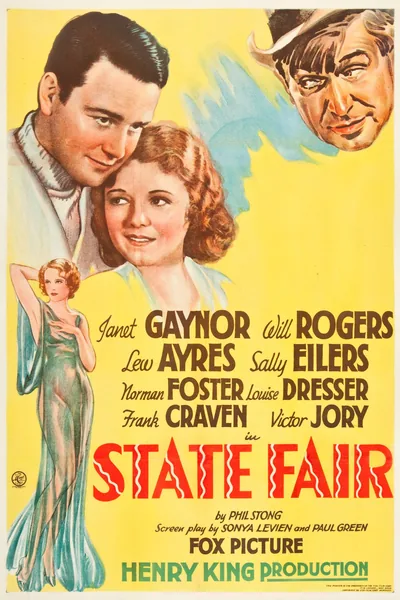
On October 2, 1933, famed humorist Will Rogers delivered a stirring tribute to the men who bravely ventured into the skies, highlighting their contributions to aviation. He recognized the importance of these early aviators in shaping the future of flight and inspiring innovation. Rogers' remarks reflected the excitement and hope surrounding the burgeoning field of aviation during this era.
-
On October 2, 1933, Senators questioned a representative from the steamship group regarding the use of propaganda in the shipping industry. This inquiry was part of a larger investigation into government subsidies for shipping companies. The testimony aimed to shed light on the financial practices and influence of steamship operators on public opinion.