








DailyTimeCapsule brief
April 10, 1933
On April 10, 1933, a significant proposal emerged from New York City as city officials advocated for the Holland Tunnel extension linking Manhattan to Brooklyn. Murray's plan estimated a cost of $55 million and aimed to alleviate traffic congestion over the next four years without public expense. The United States was amid the Great Depression, grappling with economic turmoil and high unemployment, while discussions around recognizing the Soviet Union were gaining traction among political leaders. This proposal highlighted the need for innovative infrastructure solutions during a time of fiscal restraint and economic challenges.
Key developments
-
In April 1933, Commissioner Murray proposed a $55 million extension of the Holland Tunnel under Manhattan to connect to Brooklyn's Navy Yard. The project was estimated to take four years and aimed to alleviate traffic concerns efficiently without burdening the public. This ambitious infrastructure plan highlighted the growing need for improved transportation links in New York City during the early 20th century.
-
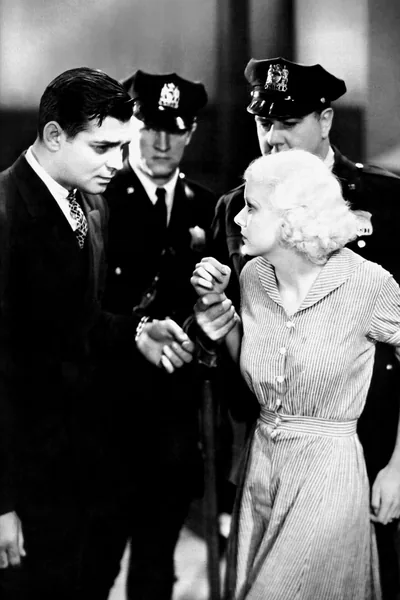
On April 10, 1933, a police raid at a luxury apartment on Park Avenue uncovered an illegal gambling operation. Officers seized high-stakes roulette chips valued at up to $2,500 each. Three individuals were arrested during the incident, highlighting the ongoing battle against organized crime during the Prohibition era.
-
On April 10, 1933, discussions centered around the recognition of Russia, coinciding with initiatives to supervise unemployed individuals working in public parks. This event highlighted the socio-economic challenges of the time and the need for collaborative efforts to address unemployment. The meeting underscored the importance of both domestic and international relations in navigating economic recovery.