



























Inventions & Breakthroughs of October 1931
Gadgets, lab surprises, odd bets, and future-shocks from this slice of the calendar.
1 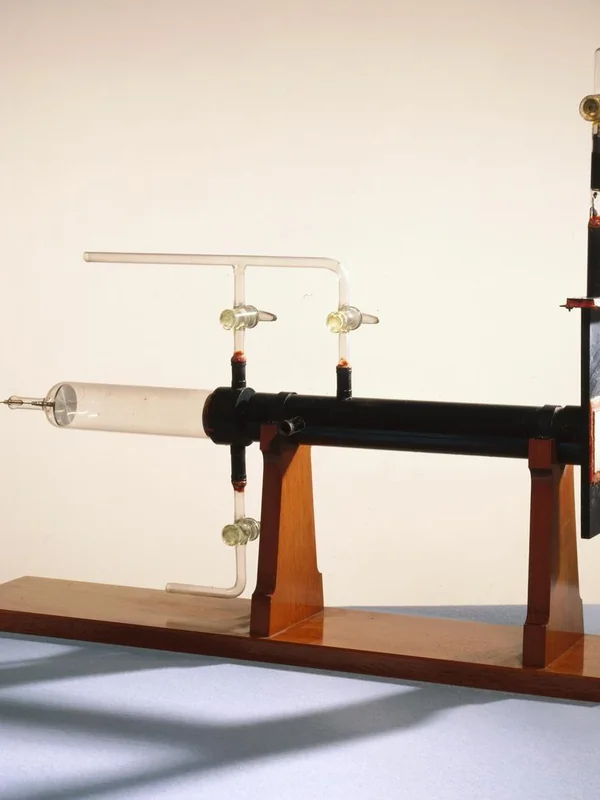
Electron Diffraction Camera
2 
Air Traffic Control System
3 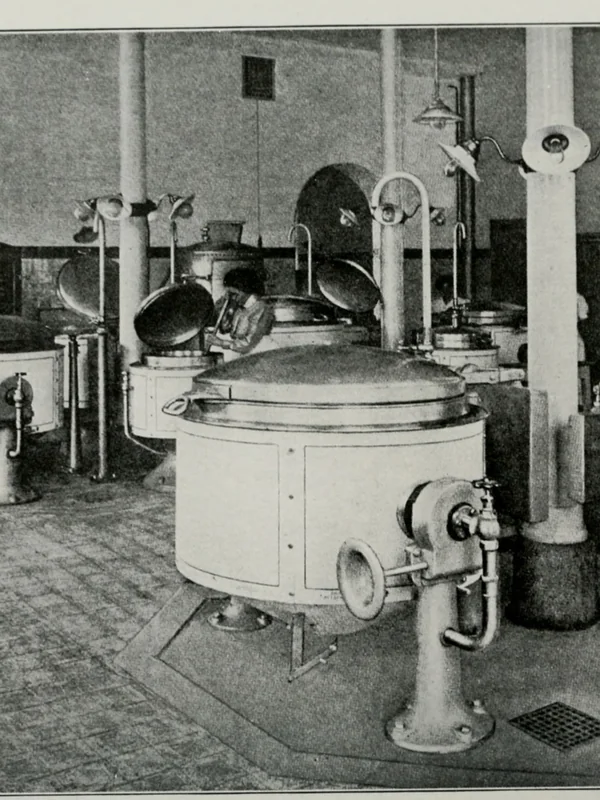
Pressure Cooker Modern Design
4 
Concrete Vibrator
5 
Electric Razor
6 
Automatic Elevator Controls
7 
Optical Sound-on-Film System
8 
Polyvinyl Chloride Commercialization
9 
Aircraft De-Icing System
10 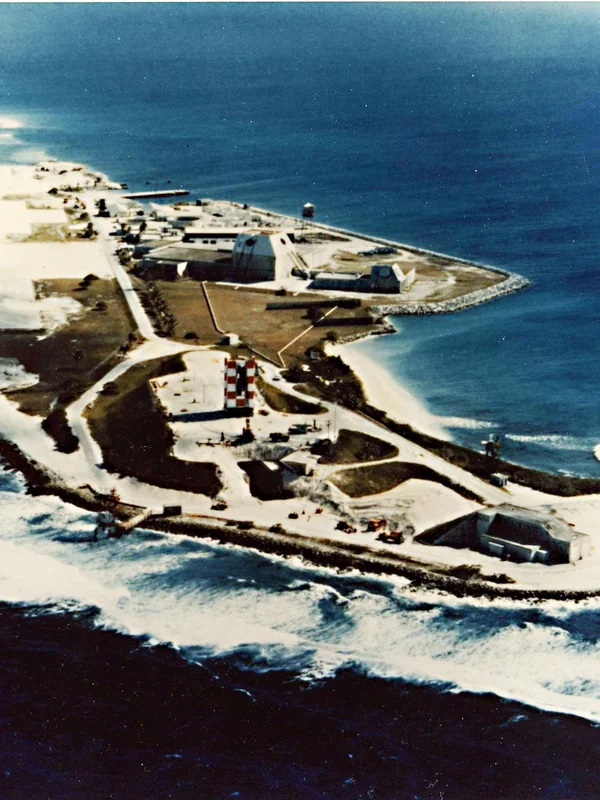
Early Radar Experiments
The Sounds of
Popular recordings and roots/country selections associated with the year
Wall Street Time Machine
The Right Call: If you'd invested $1,000 in any one of these companies in 1931, here's what the stored 2025 dataset estimates.
Rank #1
PG
Procter & Gamble
Price in 1931
$0.25
2025 dataset value
$586,657
Procter & Gamble - If you invested $1,000 in 1931, it would be worth $586,657 today (586.7x return)
Rank #2
CVX
Chevron
Price in 1931
$0.31
2025 dataset value
$474,914
Chevron - If you invested $1,000 in 1931, it would be worth $474,914 today (474.9x return)
Rank #3
GE
General Electric
Price in 1931
$0.62
2025 dataset value
$487,500
General Electric - If you invested $1,000 in 1931, it would be worth $487,500 today (487.5x return)
🧸 Top 5 Toys

Tinker Toys
$150.00

Yo-Yo
$40.00

Model Train Sets
$1,500.00
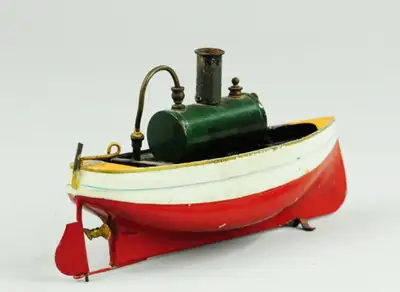
Ernst Plank Tin Toys
$2,895.00

Wooden Building Blocks
$150.00
⚾ Notable Trading Cards

1931 W517 Babe Ruth
$5,000+ (condition dependent)