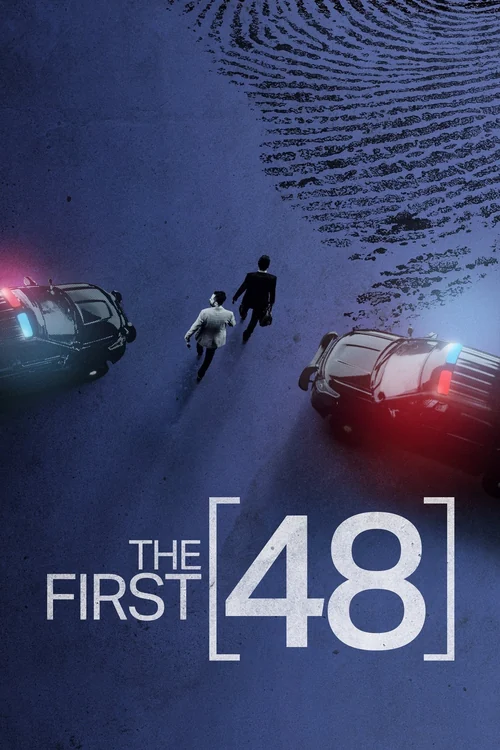
The First 48
The First 48 is a true-crime documentary series that tracks homicide detectives in U.S. cities as they work the most crucial early window of an investigation. With real-time access to scenes, forensic labs, medical examiners, and interview rooms, the show captures the pressure of gathering evidence, locating witnesses, and narrowing suspects before leads disappear. Each episode follows one or more cases through the fast-moving first two days.
The First 48 documents the race to solve homicides during the initial two days after a killing, when information is freshest and the chances of identifying a suspect are highest. Filmed with on-the-ground access in multiple American cities, the series follows detectives as they secure crime scenes, coordinate with uniformed officers, analyze physical evidence, and work alongside forensic specialists and medical examiners. Viewers see the careful process of building a timeline, canvassing neighborhoods, tracking down witnesses, and separating rumor from usable facts. The show also enters interrogation rooms, where investigators test alibis, confront inconsistencies, and look for details that link a person to the crime. Episodes often alternate between different cases, highlighting how motives, communities, and investigative strategies can vary widely. While some investigations move quickly, others reveal how fragile early leads can be, making decisive first steps essential to pursuing justice.