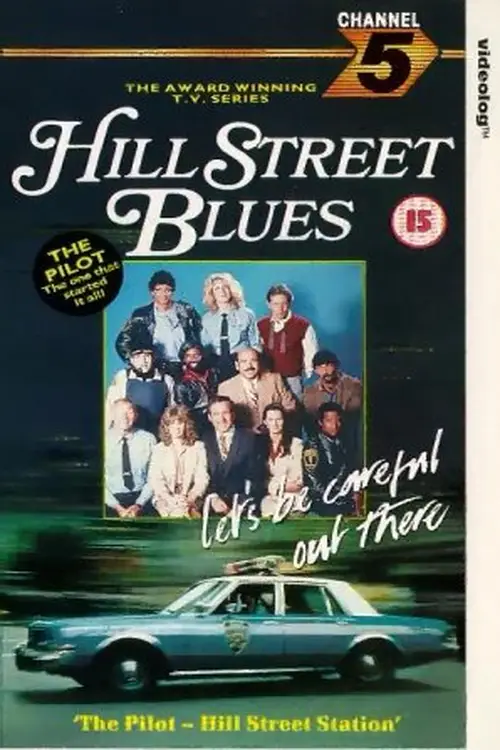
HILL STREET BLUES

Hill Street Blues poster

Hill Street Blues

Year: 1981 First Air: 1981-01-01
Overview

A groundbreaking police drama following the day to day pressures of an urban precinct, mixing ensemble storytelling with a more natural, street level style. It balances dark humor, moral complexity, and ongoing character arcs

Synopsis

Set inside a busy city police station, the series tracks officers, detectives, and administrators as they juggle violent crime, politics, and personal lives. Episodes often weave multiple cases at once, shifting between roll calls, patrols, and tense precinct meetings. The show favors messy realism over neat resolutions, letting consequences carry across episodes and seasons. Relationships among cops, prosecutors, criminals, and the community constantly evolve, sometimes fracturing under stress. Its ensemble structure highlights different ranks and viewpoints, from command decisions to street level risks. The tone blends grit with occasional warmth and sardonic humor

Cast
Trivia
Think of a landmark 1980s cop show known for an ensemble approach and a famous roll-call sign-off. Its influence is often cited in later serialized TV dramas.
Q1: Which network originally aired Hill Street Blues in the United States?
Answer: NBC
Its network home helped define NBC's push toward more adult, prestige dramas in the early 1980s.
Q2: Which behind-the-scenes figure is most closely associated with creating and steering Hill Street Blues' style and tone?
Answer: Steven Bochco
Identifying the creative lead connects the show to a larger lineage of influential, character-driven TV drama.
Q3: What is the well-known line Sgt. Phil Esterhaus delivers at roll call as a reminder to officers?
Answer: “Let’s be careful out there.”
The catchphrase became one of TV's most recognizable sign-offs and a lasting pop-culture reference.