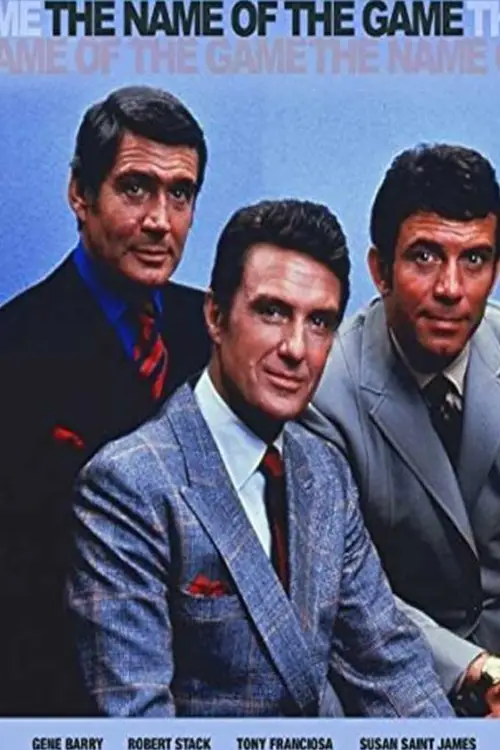
A bold late 1960s drama built around three rotating lead characters, each taking on separate investigations tied loosely to the same publishing world. Episodes play like linked mini films with shifting tone and viewpoint
The Name of the Game is structured around a trio of star reporters and investigators who rarely share the spotlight in the same episode. Each week follows one lead as they chase leads, expose wrongdoing, and navigate the pressures of stories that can change lives and careers. The connecting thread is the orbit of a major publishing operation, which provides assignments, resources, and occasional conflicts of interest. With a film like style and guest stars, the series ranges from political intrigue to crime and corporate corruption. Its rotating format lets episodes feel like distinct series under one umbrella while keeping a consistent, adult dramatic sensibility
Think about what made this series unusual for its time: structure, storytelling style, and how it was packaged for viewers. The answers focus on format and production choices, not specific episode plots.
Q1: What was the show’s signature structure that set it apart from most dramas of its era?
Answer: A rotating set of three lead stars, with most episodes centered on one lead at a time
The rotating-lead setup is the key identity of the series and shaped everything from tone to guest casting.
Q2: What kind of organization loosely linked the otherwise separate storylines and characters?
Answer: A publishing company (Howard Publications)
That shared hub provided continuity while allowing each lead’s episodes to feel distinct.
Q3: Compared with many 1960s network dramas, what production feel did The Name of the Game often aim for?
Answer: A feature-film-style look with longer, self-contained stories and prominent guest stars
Its movie-like ambition helped it stand out and foreshadowed later “event” drama storytelling.