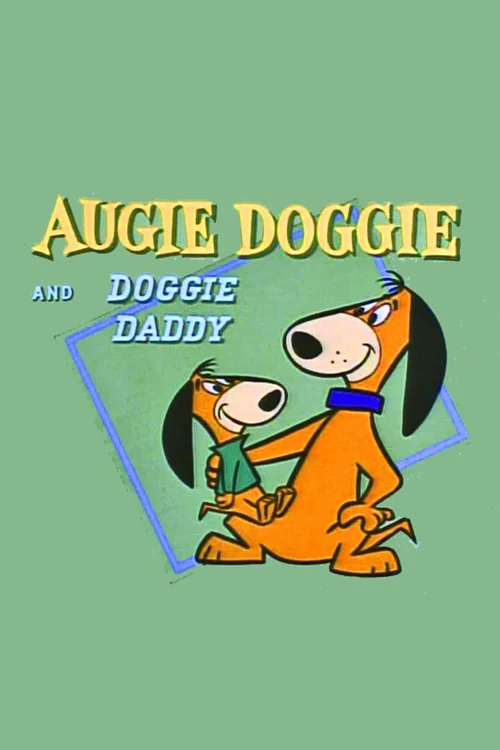
Augie Doggie and Doggie Daddy
Augie Doggie and Doggie Daddy is a classic animated comedy segment from late-1950s American television, following a dachshund father and his energetic young son. Each short story highlights their everyday misadventures, with Doggie Daddy trying to teach manners, responsibility, and common sense while Augie’s curiosity and enthusiasm repeatedly steer them into trouble. The humor comes from the father’s earnest guidance, the son’s impulsive choices, and their warm, fast-paced family dynamic.
First introduced as part of a larger cartoon showcase, Augie Doggie and Doggie Daddy centers on a well-meaning dachshund dad and his rambunctious little boy as they navigate ordinary activities that quickly turn chaotic. Doggie Daddy approaches parenting with firm rules, big speeches, and constant attempts to set a good example, but Augie’s boundless energy and simple, childlike logic often derail the plan. Episodes typically begin with a straightforward goal—an outing, a lesson, or a new responsibility—then escalate through misunderstandings, slapstick, and escalating reactions as the pair tries to keep things under control. The tone stays light and family-friendly, emphasizing affectionate bickering, comic timing, and the recognizable push-and-pull between a parent’s expectations and a kid’s unstoppable imagination.