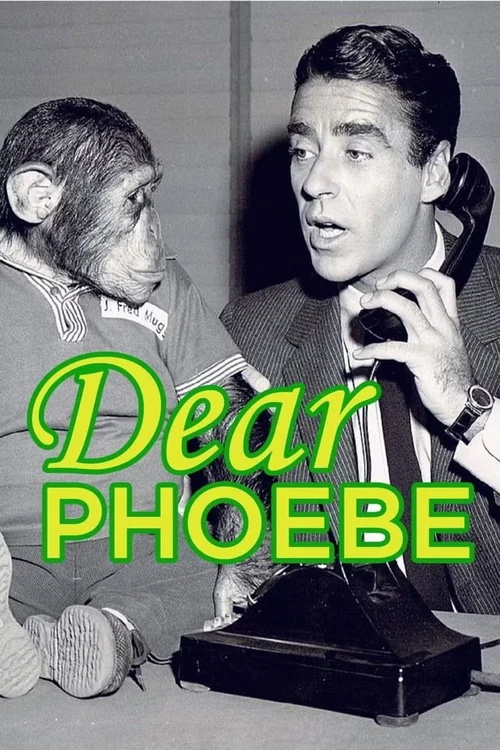
Dear Phoebe
Dear Phoebe is a 1954 American comedy series set around a newspaper advice column that becomes the center of constant mix-ups. A former college professor takes on an unexpected secret identity to keep the column running, juggling workplace pressures, curious coworkers, and everyday problems sent in by readers. Lighthearted misunderstandings and quick dialogue drive the humor as the staff tries to meet deadlines while keeping the column’s true author hidden.
Dear Phoebe follows a former college professor who lands in the fast-paced world of a newspaper office and ends up tied to its popular advice column. To make the feature work, he secretly writes the column while posing as an elderly woman known to the public as Phoebe. The disguise creates a steady stream of complications: readers expect wise, old-fashioned guidance, colleagues want access to the column’s “author,” and office routines are constantly disrupted by sudden visits, phone calls, and urgent letters. As he tries to protect the persona, he must also maintain professional credibility and navigate friendships and romantic tension among the staff. Each episode builds comedy from close calls, mistaken assumptions, and creative attempts to keep the column, and the secret behind it, afloat.